
Best Power Banks 2026: What Capacity, USB-C Speed and Features Matter
 mostakimali
 A power bank is easy to buy until you start comparing capacity, charging speed, USB-C support, size and the number of devices you need to charge. A model that looks impressive on the box may be inconvenient to carry, while a compact unit may not have enough output for a tablet or laptop.
In 2026, the most useful power banks are less about having the biggest number on the label and more about matching the charger to your devices. USB-C Power Delivery, faster recharge speeds, built-in cables, digital battery displays and wireless charging have made portable power more flexible, but they also make the buying decision more complicated.
What Makes a Good Power Bank in 2026?
A good power bank should provide enough capacity for your normal day, deliver the charging speed your phone or laptop can actually use, and remain practical to carry. It should also have a sensible protection system and a USB-C port that works reliably with your cable.
There is no single specification that makes one power bank right for everyone. A student carrying a phone and earbuds has different needs from someone travelling with a phone, tablet and laptop. Start with your devices, then choose the capacity and output.
10,000mAh vs 20,000mAh: Which Capacity Should You Buy?
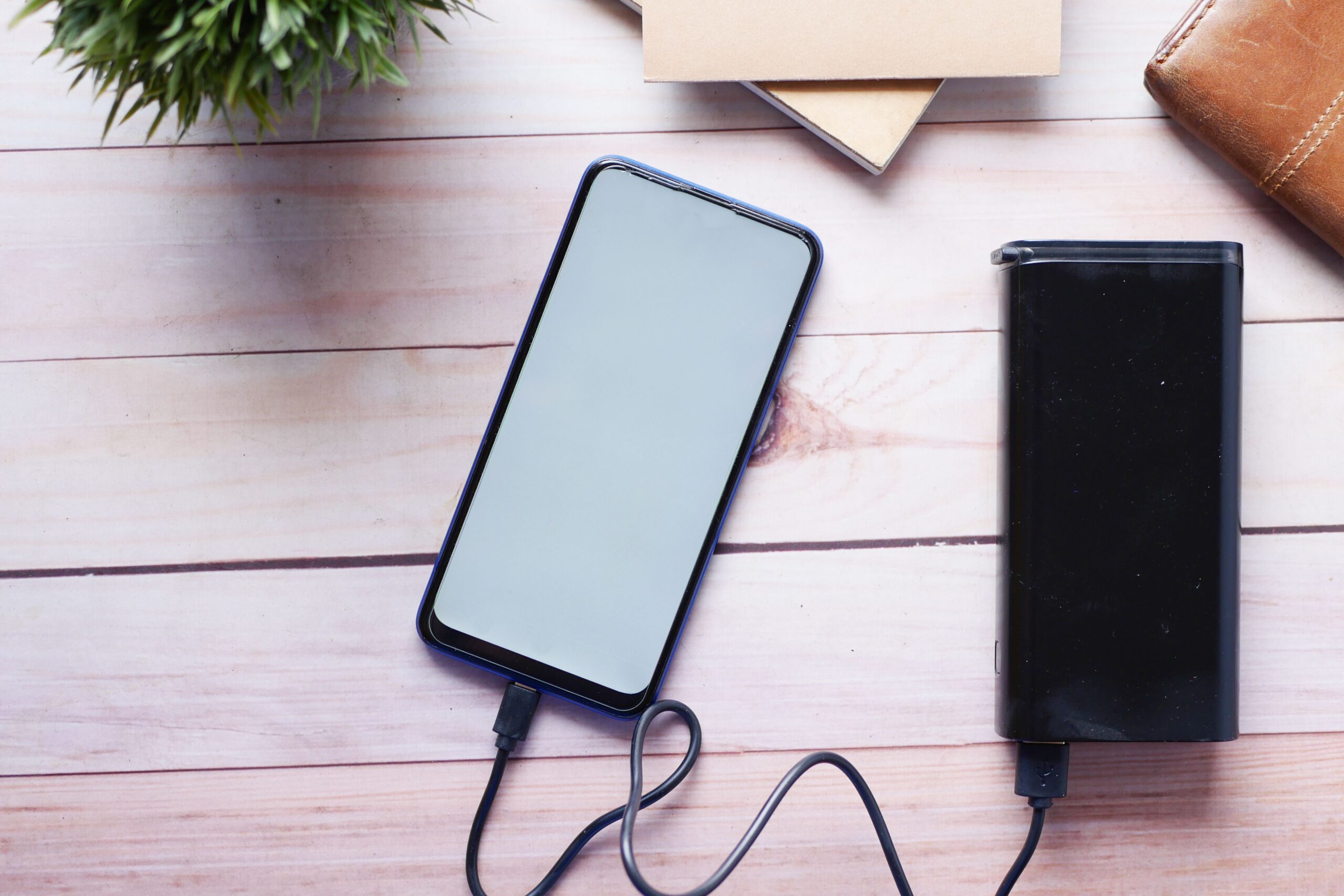
For everyday smartphone use, a 10,000mAh power bank is often the easiest size to live with. It is generally smaller and lighter, making it useful for school, commuting, short trips and daily backup power.
A 20,000mAh power bank makes more sense when you need multiple charges or want to power more than one device. It is also a better starting point for people who regularly travel with a tablet or other USB-C electronics.
Capacity printed on a power bank should not be treated as the exact amount of energy that will reach your phone. Conversion losses occur while voltage is changed and power is delivered, so usable capacity is lower than the headline mAh figure.
| Capacity | Best for | Main trade-off |
|---|---|---|
| 5,000mAh | Emergency top-ups and pocket carry | Limited total runtime |
| 10,000mAh | Daily smartphone use | Less reserve for several devices |
| 20,000mAh | Travel and multiple devices | Larger and heavier |
| 25,000mAh+ | Long trips and higher-demand devices | Portability and travel restrictions can matter |
Why USB-C Power Delivery Matters
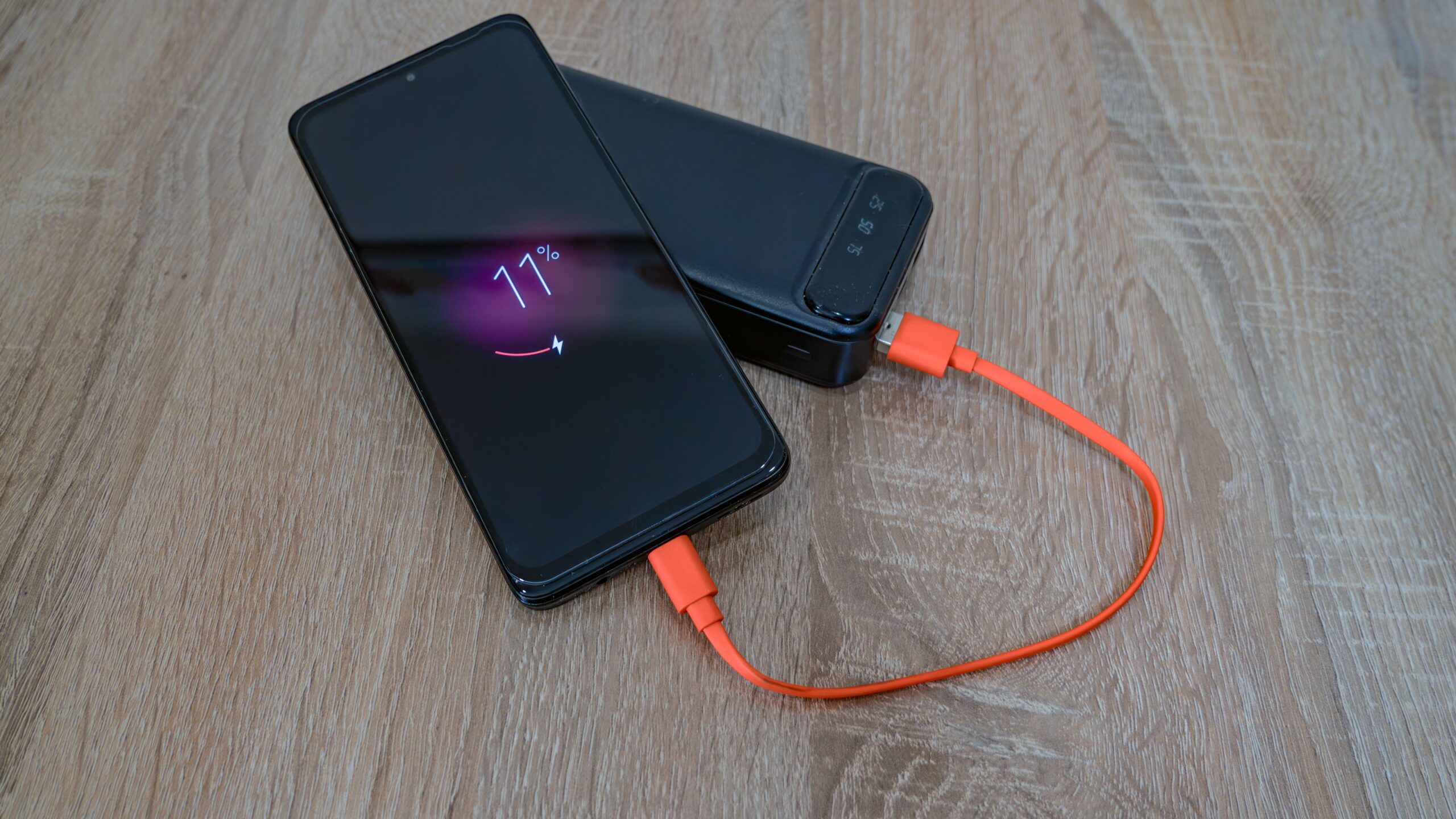
USB-C is the connector; it does not automatically tell you how fast a power bank can charge. The important specification is the supported charging protocol and the maximum output.
USB-C Power Delivery, commonly called USB PD, is especially useful because it can negotiate an appropriate power level with compatible devices. A phone may use much less power than a laptop, and a capable power bank can adjust the delivery rather than simply sending one fixed output.
When shopping, look for the actual USB-C output rating instead of a vague phrase such as “fast charging.” If you want to charge a laptop, check the laptop’s required USB-C input power and make sure the power bank can meet it.
How Much Wattage Do You Actually Need?
For a smartphone, moderate fast-charging output is usually enough. Tablets can benefit from more power, while many USB-C laptops need considerably higher output to charge effectively during use.
A high-wattage power bank is not automatically better for every buyer. Extra output can increase size, cost and heat management requirements. If your only devices are a phone and earbuds, paying for a laptop-class power bank may not provide much practical benefit.
For a mixed-device setup, however, higher USB-C output can be useful. It can reduce the need to carry separate chargers and make a single power bank more versatile during travel.
Built-In Cables Are Convenient, But Check the Design
Power banks with built-in USB-C cables are becoming more common because they remove one small item from your travel bag. This can be genuinely useful when you frequently charge your phone away from home.
The downside is that a permanently attached cable cannot be replaced as easily as a normal cable. Check whether the built-in cable supports the power level you need and whether its length is comfortable for your use.
A power bank with both a built-in cable and a separate USB-C port can be more flexible because you can use another cable when the built-in one is inconvenient.
Wireless and Magnetic Charging
Wireless charging can make a power bank easier to use because you do not have to connect a cable every time you need a short top-up. Magnetic designs can be particularly convenient with compatible phones and cases.
But wireless charging is generally less efficient than wired charging, and the practical charging speed depends on the phone, power bank and alignment. If you need the fastest or most predictable charging, a wired USB-C connection is usually the simpler option.
What About Charging a Laptop?
Not every 20,000mAh power bank is suitable for a laptop. Capacity is only one part of the equation. You also need enough USB-C output power and compatibility with the laptop’s charging requirements.
For a laptop, pay attention to the wattage of the USB-C PD output. Also check whether the power bank can maintain that output for a useful period rather than only reaching the advertised maximum under limited conditions.
If laptop charging is a major reason for buying a power bank, a larger USB-C PD model is usually more practical than a small phone-focused unit.
Travel Size and Weight Matter More Than You Think
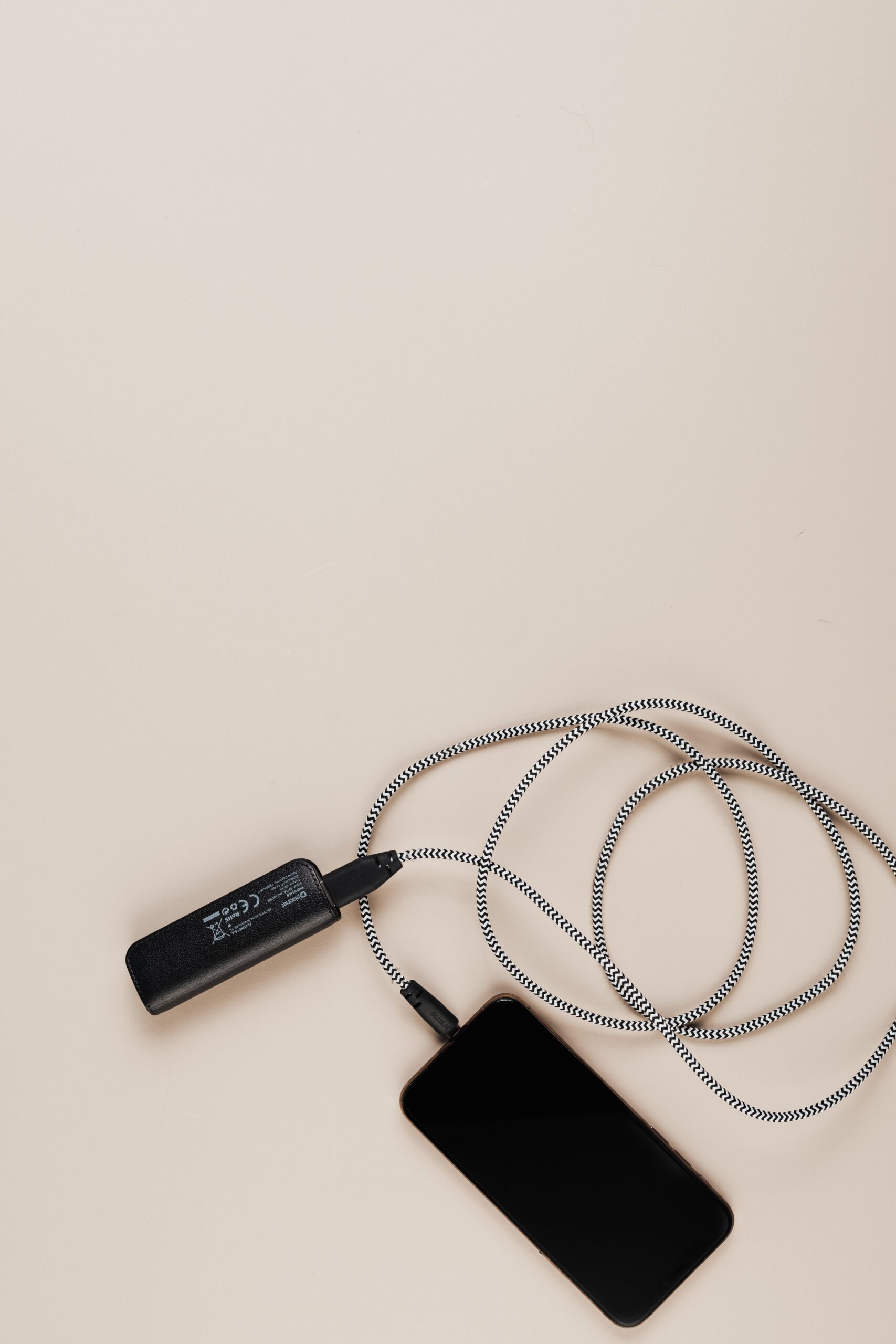
A power bank can have excellent specifications and still be a poor travel companion if it is too heavy. A 20,000mAh model can offer much more reserve than a 5,000mAh unit, but you have to carry that extra battery everywhere.
Think about where the power bank will live. If it stays in a backpack, a larger model may be fine. If you want something for a pocket or small sling bag, a compact 5,000mAh or 10,000mAh model can make more sense.
For air travel, also check the airline’s current rules for spare lithium batteries and power banks before leaving. Requirements can vary by airline and route, so do not rely only on an old travel guide.
Safety Features to Look For
Portable batteries should have appropriate protection against problems such as over-current, over-voltage, short circuits and excessive temperature. Reputable manufacturers normally publish protection information and proper electrical specifications.
Avoid choosing a power bank only because it has an unusually large capacity for a very low price. The battery cells, charging electronics, thermal design and quality control all affect reliability.
If a power bank becomes unusually hot, swells, leaks or shows physical damage, stop using it and follow appropriate battery-disposal guidance rather than continuing to charge it.
Digital Displays and Battery Indicators
Basic LED indicators are enough for many users, but a percentage display can make a power bank easier to manage. Instead of guessing whether two LEDs mean 50% or 75%, you can see a more specific estimate.
Some newer models also show charging power or remaining time. These features can be useful, but they should not replace checking the core specifications. A clear display is a convenience feature, not a substitute for reliable charging hardware.
Which Power Bank Size Makes Sense for Different Users?
For students: A compact 10,000mAh model is usually a practical balance between capacity and portability. USB-C input and output should be a priority.
For frequent travelers: A 20,000mAh USB-C PD model offers more reserve for long days away from an outlet. Weight and airline rules should be checked before travel.
For phone-only users: There is little reason to carry a very large battery if you normally need only one top-up. A smaller model may be easier to keep with you.
For laptop users: Focus on USB-C PD wattage first, then capacity. A large mAh number does not guarantee that the power bank can charge your laptop.
For multi-device users: Look for multiple outputs, sensible power distribution and enough total output to charge your devices at the same time.
Questions to Ask Before Buying
- How many devices do I normally need to charge?
- Is 10,000mAh enough for my daily routine?
- Do I need 20,000mAh for travel?
- Does my phone support fast USB-C charging?
- Does the power bank support USB-C Power Delivery?
- How many watts does my laptop require?
- Will I actually carry a heavier power bank?
- Do I want a built-in USB-C cable?
- Is wireless or magnetic charging useful for my phone?
- Does the model provide clear battery-level information?
- Are replacement cables easier than a built-in cable for me?
- Does the manufacturer provide proper safety and charging specifications?
Common Power Bank Buying Mistakes
The first mistake is choosing the largest capacity without considering weight. The second is buying based only on “fast charging” marketing without checking the actual wattage and protocol. Another common mistake is assuming every USB-C port supports the same charging speed.
It is also easy to overpay for features you will never use. A display, wireless charging and multiple ports can be useful, but a simple USB-C PD power bank may be a better fit if your main goal is dependable phone charging.
Power Banks vs Carrying a Charger
A wall charger is still the more efficient choice when an outlet is available. It can often provide higher sustained power without the extra weight of a battery. A power bank becomes valuable when you are away from an outlet, travelling, commuting or moving between classes and workspaces.
For a modern setup, the two accessories work together. A USB-C charger can handle charging at home while the power bank provides backup power outside.
How Power Banks Fit Into a Modern Tech Setup
Portable power is becoming more important as people carry more connected devices. A phone may be joined by wireless earbuds, a smartwatch, tablet or laptop, and each device competes for battery throughout the day.
This is similar to the shift toward more connected everyday technology discussed in our AI wearables guide. Wearables are useful only when their batteries remain available, so portable charging can be part of the wider accessory setup.
If you are building a smart-home setup, our smart home gadgets guide covers devices that focus on practical daily convenience. And if you are shopping for a laptop as well as accessories, see our student laptop guide.
Final Takeaway
The best power bank is the one that matches your devices and your routine rather than the one with the biggest number on the packaging. For many people, 10,000mAh is the practical everyday size, while 20,000mAh is more useful for travel and multiple devices. If laptop charging matters, USB-C PD wattage becomes much more important than capacity alone.
Before buying, check capacity, USB-C output, charging protocol, weight, cable design, safety features and compatibility with your devices. That small checklist can prevent the most common power-bank buying mistakes and help you choose a portable charger you will actually want to carry.