

AI Smart Home 2026: How Connected Homes Are Becoming More Intelligent
 mostakimali
 The smart home is changing from a collection of connected gadgets into a more coordinated system. In 2026, manufacturers are increasingly using AI to understand routines, connect devices and automate repetitive tasks. The goal is simple: technology should work quietly in the background instead of requiring a separate app for every action.
That sounds convenient, but a smarter home also raises questions about privacy, compatibility and reliability. This guide explains what is changing and what buyers should consider before building an AI-powered home.

What Is an AI Smart Home?
An AI smart home uses connected devices plus software that can interpret information and automate decisions. Instead of manually turning every device on or off, the system can learn routines or respond to commands.

Smart Lighting
Lighting is one of the easiest places to start. Smart bulbs can follow schedules, respond to sensors and change brightness. AI can make the system more adaptive by using routines and context rather than fixed timers.
Smart Security
Cameras and sensors can provide alerts when something unusual happens. Advanced systems may distinguish between people, vehicles and ordinary movement. Because these devices can process sensitive information, privacy settings are extremely important.
Smart Appliances
Connected appliances are becoming more capable of communicating with broader home ecosystems. The useful part is not simply remote control. A smart appliance can potentially coordinate with other devices and reduce repetitive work.
Voice and AI Assistants
Voice assistants are moving toward more natural interactions. Instead of memorizing exact commands, users increasingly expect systems to understand context.
However, buyers should check whether the assistant requires a cloud connection and what data is stored.
Home Energy Management
Smart energy systems can track consumption and help users understand where electricity is being used. Connected thermostats, plugs and appliances can also make it easier to automate energy-saving routines.
Robots in the Home
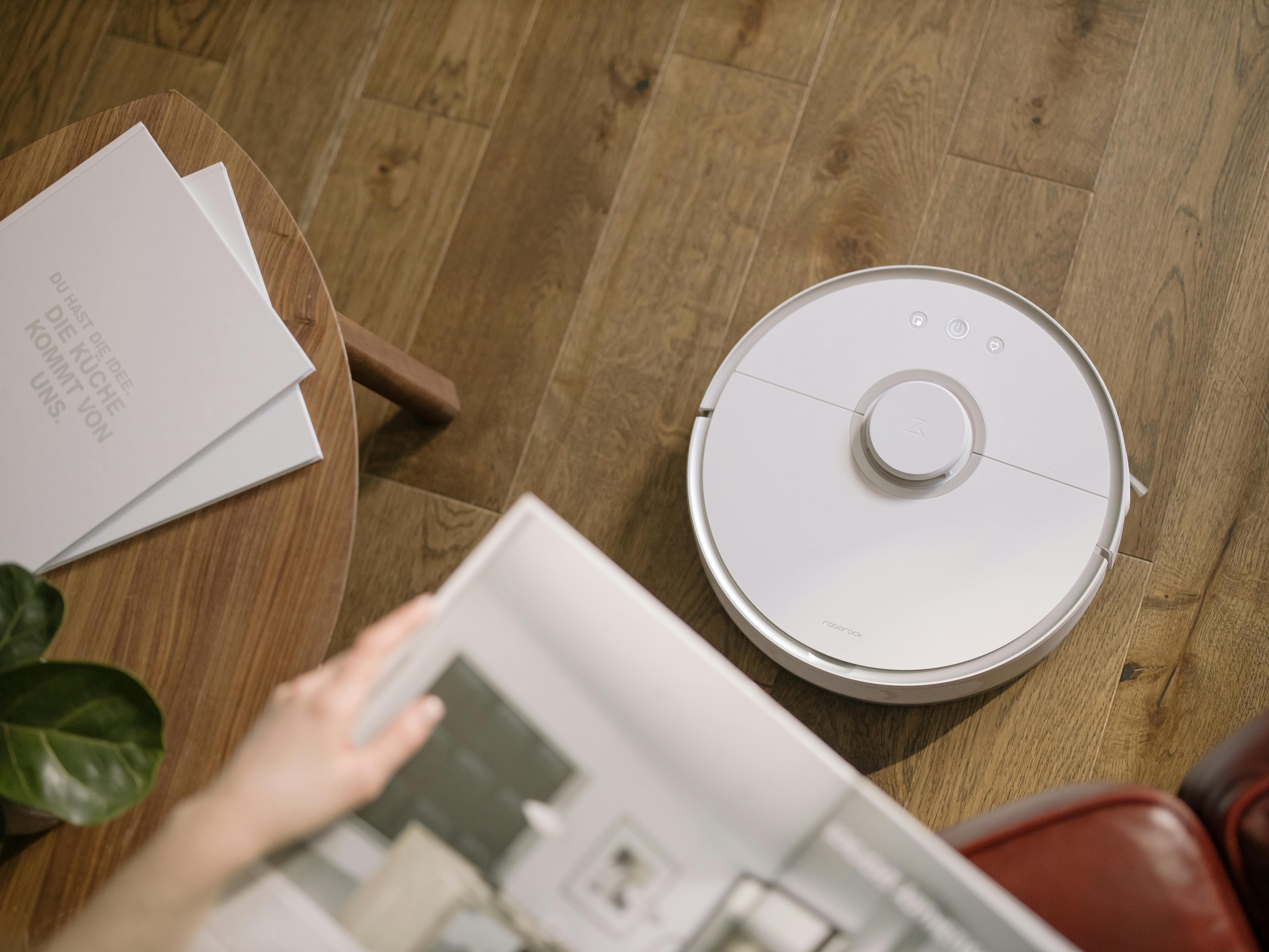
Robotic devices are becoming one of the most visible forms of physical AI. Robot vacuums are already common, while newer systems explore more complex household tasks. The long-term direction is toward machines that can understand environments and act safely within them.
Compatibility Matters
A smart home is only convenient when its devices cooperate. Before buying, check which ecosystem a product supports and whether it can communicate with your existing equipment.
Privacy Should Come First
Smart speakers, cameras and sensors can collect information about your home. Use strong passwords, update firmware, disable unnecessary permissions and review cloud-storage settings.
How to Build a Smart Home Gradually
- Start with one practical problem.
- Choose a compatible ecosystem.
- Add lighting or sensors first.
- Then consider appliances and security.
- Add AI automation only where it saves time.
Common Mistakes
Buying incompatible products is one of the biggest mistakes. Another is buying advanced devices without considering maintenance or privacy. A smaller system that works reliably is usually better than a house full of gadgets that require constant troubleshooting.
Frequently Asked Questions
Is an AI smart home worth it?
It can be, especially when automation removes repetitive tasks. Start with a clear need instead of buying gadgets simply because they are smart.
Are smart-home devices safe?
Security depends on the manufacturer, software updates, passwords and user settings. Keep devices updated and review permissions.
Do smart homes need internet?
Some functions can operate locally, while others rely on cloud services. Check the product before buying.
What is the best first smart-home device?
Lighting, a smart plug or a sensor is often a simple starting point because the benefit is easy to understand.
Best Way to Build an AI Smart Home
A useful smart home does not need dozens of connected products. Start with one routine that you want to improve. For example, smart lighting can automate a room at certain times, while a smart plug can control a device that is otherwise difficult to schedule. Once that setup is reliable, adding sensors or other appliances becomes much easier.
Compatibility should be checked before every purchase. A product that works with your preferred ecosystem is usually more useful than a device with a longer specification list but poor integration. Also check whether important functions can run locally if your internet connection is unavailable.
AI Versus Simple Automation
Not every smart-home task needs AI. A basic timer is often better for predictable routines because it is simple and reliable. AI becomes more interesting when the system needs to interpret context, such as adjusting lighting based on activity or coordinating several devices around a routine.
This distinction can save money. Instead of buying the most advanced gadget, look for the simplest product that solves the problem well. Over time, a smaller collection of reliable devices is easier to maintain and secure.
If you are interested in physical AI and automated cleaning, see our robot vacuum guide. For a wider look at emerging consumer technology, our IFA 2026 technology trends guide covers AI devices, robotics and connected products.
Smart Home Questions Worth Asking
- Which ecosystem will connect most of my devices?
- Can important features work without the cloud?
- What information do cameras and microphones collect?
- How long will the manufacturer provide updates?
- Can I replace or repair the device if it fails?
- Does the automation actually save time?
Security and Long-Term Reliability
Security should be part of the buying decision from the beginning. Use unique passwords, enable available security protections and keep firmware updated. Camera and microphone permissions deserve particular attention because these devices operate inside private spaces.
Long-term support matters too. A smart-home device becomes less useful if the app stops receiving updates or the manufacturer abandons the platform. Before buying an expensive product, look for evidence of ongoing software support and a clear replacement or repair path.
Examples of Useful AI Home Automation
One practical example is a morning routine that combines several simple actions. A system could gradually turn on lights, adjust a thermostat and provide a reminder without requiring separate commands. The value comes from reducing small repeated actions rather than creating a futuristic experience.
Another useful area is energy management. Connected plugs and sensors can show when devices are consuming power and help automate schedules. In larger homes, this can make it easier to identify unnecessary energy use without manually checking every appliance.
Security automation can also be useful when configured carefully. A door sensor can trigger a notification, while a camera may provide additional context. However, convenience should never mean ignoring privacy. Users should understand where recordings are stored and who can access them.
When Not to Use AI
If a simple switch or timer solves a problem reliably, there is little reason to add a complicated AI system. Simpler setups are often easier to troubleshoot, cheaper to replace and less dependent on cloud services. AI should add meaningful convenience rather than complexity for its own sake.
Where AI Automation Actually Helps
The most convincing smart-home use cases are small tasks that happen repeatedly. Lights can respond to occupancy or a schedule, a thermostat can adjust based on routines, and a robot vacuum can clean when the home is usually empty. These examples work because the automation solves a clear problem without requiring constant attention.
AI can add another layer by interpreting context. Instead of following one fixed schedule, a system may learn when rooms are normally occupied or combine information from several sensors. That can make automation feel more natural, but it also increases the importance of reliable devices and sensible privacy settings.
Start Small Instead of Automating Everything
A connected home does not need dozens of devices. Starting with one area—such as lighting, cleaning or security—makes it easier to understand compatibility and avoid unnecessary spending. Once the first system is reliable, additional devices can be added around the same routine.
Buyers should also check whether devices work together before purchasing them. A smart bulb, sensor and hub can each be good products but still create a poor experience if their apps and standards do not cooperate. Shared standards and clear ecosystem support are more important than a long list of compatible logos.
Security and Privacy Should Be Part of the Setup
Connected devices can collect information about routines, rooms and activity. Use strong account passwords, keep firmware updated and review which permissions each device receives. Cameras and microphones deserve particular attention because they can collect more sensitive information than a simple light or plug.
It is also worth planning for failure. A smart lock, light or thermostat should have a practical manual fallback when possible. The best automation is helpful when everything works and still manageable when the network or cloud service is unavailable.
What Makes a Smart Home Worth the Money?
A useful system should save time, reduce repeated work or make an important task easier. If an automation takes more effort to maintain than the manual routine it replaces, it may not be worth keeping. This simple test helps prevent the common mistake of buying connected devices simply because they are new.
Final Verdict
AI is making smart homes more capable, but the best system is not necessarily the most complicated one. Focus on compatibility, privacy and useful automation. When those fundamentals are right, AI can make connected technology feel less like a collection of gadgets and more like a helpful part of everyday life.


