
 mostakimali
 Meta Connect 2026 arrives on September 23–24 at a point when AI glasses are moving from an interesting accessory into a serious hardware category. Meta’s own developer pages say the event will cover AI glasses, VR, AI technologies and the Meta wearables platform, making this one of the more relevant tech events to watch if you care about hands-free computing. urlMeta Connect 2026 official event informationhttps://developers.meta.com/
The interesting part is not simply whether Meta announces another pair of glasses. The bigger question is how much useful computing can move from a phone screen into something you wear. Cameras, microphones, speakers, AI assistants and eventually small displays can turn glasses into a different kind of interface. The practical value will depend on battery life, privacy controls, comfort, software support and how naturally the AI fits into everyday tasks.
What Is Meta Connect 2026?
Meta Connect is Meta’s major developer and technology event for its immersive and wearable platforms. Meta says the 2026 event runs September 23–24 and will showcase developments across AI technologies, AI glasses and VR. The developer platform is also emphasizing tools for building hands-free experiences around AI glasses and the Meta Neural Band. urlMeta Wearables developer platformhttps://developers.meta.com/wearables/
That developer focus matters because smart glasses are no longer just about hardware specifications. A pair of glasses can have cameras and speakers, but without useful software the hardware quickly becomes another gadget sitting in a drawer. The real competition is increasingly about assistants, apps, contextual AI, audio, computer vision and how well those features work together.

Why AI Glasses Are Trending in 2026
The appeal is straightforward: glasses can provide information without requiring a user to constantly pull out a phone. You could ask a question, hear an answer, capture a photo, identify something in front of you or interact with an assistant while keeping your hands free.
That does not mean glasses replace smartphones. Phones still have larger screens, more powerful app ecosystems and better tools for long-form tasks. Instead, AI glasses are better understood as a companion interface. They can handle short interactions while the phone remains the main device for detailed work.
This is also why the category is connected to the broader AI wearables trend. AI earbuds, smartwatches and glasses are all moving toward context-aware assistants. The difference is the type of information each device can access. Glasses have a first-person view through cameras, earbuds have strong audio access, and watches have direct access to notifications and body-related sensors.
What Could Be Important at Meta Connect
Meta has already made AI glasses a major part of its developer strategy. Its current wearable documentation highlights camera, audio and display capabilities for AI glasses and tools for developers building hands-free experiences. urlMeta AI glasses development toolshttps://developers.meta.com/wearables/
That makes several areas worth watching during Connect.
1. AI assistant improvements
The first is the assistant itself. A wearable assistant needs to understand short spoken requests quickly and return useful answers without forcing users to repeat themselves. Context is important, but so is control. People need to know when the assistant is listening, what information it can access and which actions require confirmation.
2. Display glasses and visual information
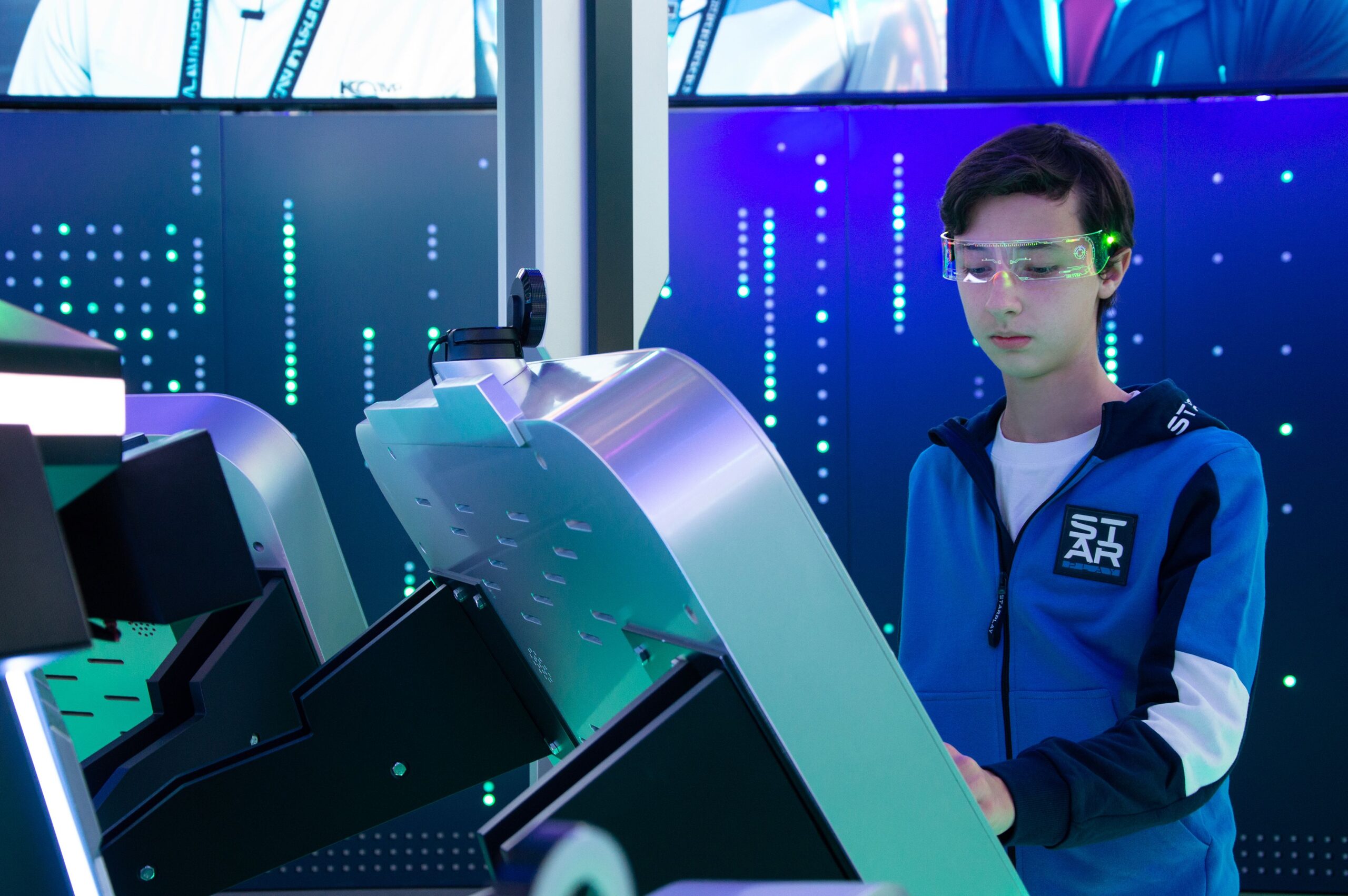
Camera-based glasses can already provide audio assistance, but a display changes the experience. A small visual layer could show directions, translations, notifications or short pieces of information without requiring a phone. The challenge is making the information readable without turning glasses into a distracting screen.

3. Battery life and everyday comfort
Battery life is one of the least exciting specifications but one of the most important. Cameras, microphones, wireless connectivity and AI processing all consume power. A pair of glasses that needs frequent charging may be difficult to use as an everyday assistant.
Weight also matters. Traditional glasses are designed to sit comfortably on the face for hours. Adding electronics changes the balance, thickness and heat profile. For AI glasses to become normal daily wear, they need to feel closer to ordinary eyewear than a miniature computer strapped to the face.
4. Privacy controls
Privacy is another major issue. A camera on someone’s face creates a different social situation from a phone camera. People nearby may not know when they are being recorded, and the wearer needs clear indicators and controls.
Good privacy design should be visible and understandable. Recording indicators, easy controls, clear policies and sensible defaults can make wearable cameras easier to use responsibly. Privacy will likely remain one of the biggest factors affecting public acceptance of camera-equipped glasses.
Will AI Glasses Replace Smartphones?
For most people, not in the near term. A smartphone remains much better for typing long messages, editing documents, watching long videos, managing complex apps and completing detailed purchases.
Glasses are more interesting for quick interactions. Ask for directions, translate a short phrase, take a hands-free photo, hear a reminder or get information about something in front of you. These are tasks where looking down at a phone can be inconvenient.
The future may therefore look less like one device replacing another and more like several devices sharing different jobs. That is similar to how smartwatches already complement phones rather than completely replacing them.

What About Meta Quest and Mixed Reality?
Meta Connect is not limited to glasses. Meta’s developer materials also point to Horizon and VR development, so mixed reality remains part of the company’s broader hardware strategy. urlMeta Horizon developer platformhttps://developers.meta.com/horizon/
There is an important distinction between VR headsets and everyday glasses. A headset can provide a large immersive visual environment, while glasses are designed to stay with the user during normal activities. One is optimized for immersion; the other is moving toward ambient computing.
Who Should Pay Attention to Meta Connect 2026?
Technology enthusiasts will naturally watch the announcements, but developers and everyday consumers have different reasons to pay attention. Developers can learn where Meta is taking its wearable platform and what new APIs or hardware capabilities may become available. Consumers can use the event to understand whether AI glasses are becoming more practical or simply adding more features to an already crowded gadget category.
For buyers, the most useful specifications are not necessarily the longest feature list. Look at comfort, battery duration, camera quality, microphone performance, audio clarity, phone compatibility, privacy controls and software support. A device that performs a few important tasks reliably can be more useful than one with dozens of features that are rarely used.
Questions People Are Asking About Meta Connect 2026
When is Meta Connect 2026?
Meta Connect 2026 is scheduled for September 23–24, 2026.
What will Meta Connect 2026 focus on?
Meta says the event will cover AI technologies, AI glasses and VR, with developer content around its wearable and immersive platforms.
Will Meta announce new AI glasses?
New hardware is one of the areas many technology watchers are monitoring, but specific product announcements should be treated as unconfirmed until Meta officially announces them.
Are AI glasses useful without a display?
Yes. Audio assistants, cameras and hands-free controls can provide useful functions even when information is delivered through speakers instead of a visual display.
Are smart glasses replacing phones?
They are better viewed as companion devices for quick, hands-free interactions. Smartphones remain more capable for complex tasks.
What should I check before buying AI glasses?
Check battery life, comfort, camera and microphone quality, phone compatibility, privacy controls, software support and whether the AI features are actually available in your region and language.
The Bigger Trend: Computing Is Becoming More Ambient
The most important development may be broader than Meta. AI is making interfaces less dependent on traditional screens. Voice, cameras, sensors and contextual software allow computers to respond to what users are doing rather than waiting for every action to start inside an app.
That direction connects directly with the AI wearables trend. Our AI wearables guide looks at smart glasses, AI earbuds and everyday assistants, while our AI smart glasses guide focuses more closely on practical use, privacy and battery considerations.
Meta Connect 2026 is therefore worth watching not only for one new device, but for clues about how wearable AI will develop over the next few years. The important test will be simple: can these products save time, reduce friction and provide useful information without creating new problems around privacy, battery life or distraction?
Final Take
AI glasses are entering a more practical phase in 2026. Meta Connect is especially relevant because Meta is building both consumer hardware and a developer ecosystem around AI glasses. The next step for the category is not simply adding more AI features. It is making those features dependable, comfortable, private and useful enough to become part of normal daily routines.