

 mostakimali
 Robot vacuums are becoming more capable as sensors, mapping and AI improve. The newest generation is not simply moving around a room on a schedule. Better models can recognize obstacles, map different areas, combine vacuuming with mopping and adapt their cleaning behavior.
The bigger question for shoppers is whether these improvements are worth paying for. A robot vacuum can save time, but performance depends heavily on navigation, floor type, maintenance and the quality of the software.

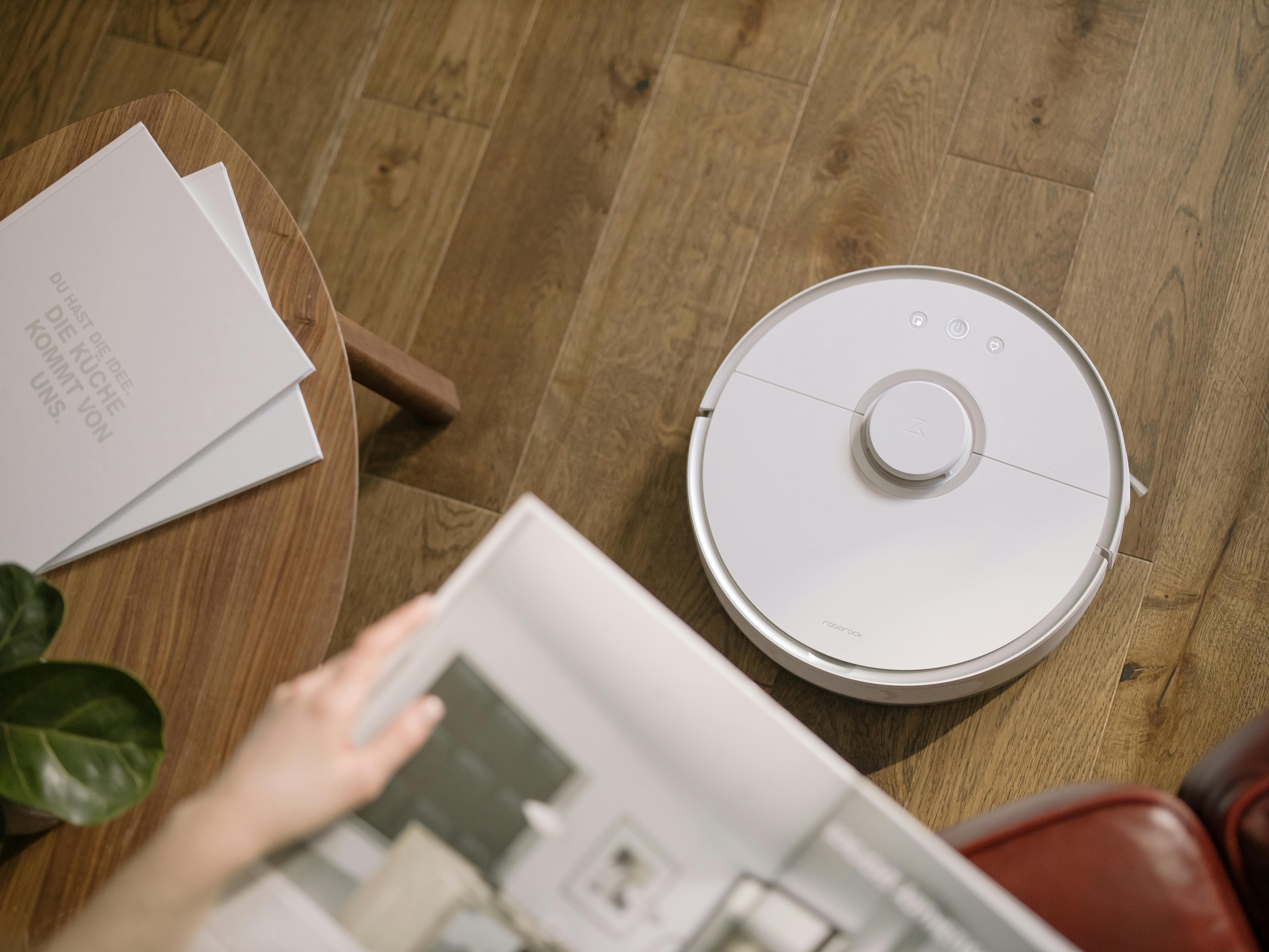
Smarter Navigation
Navigation is one of the most important improvements. Modern robots can use cameras, lidar, sensors and software to build a map and avoid obstacles. Better navigation means fewer missed areas and less time getting stuck.
Obstacle Recognition
Cheap robots may treat everything in their path as an obstacle. More advanced models can identify common objects and choose safer routes. This can be useful in homes with cables, furniture, shoes or other objects on the floor.
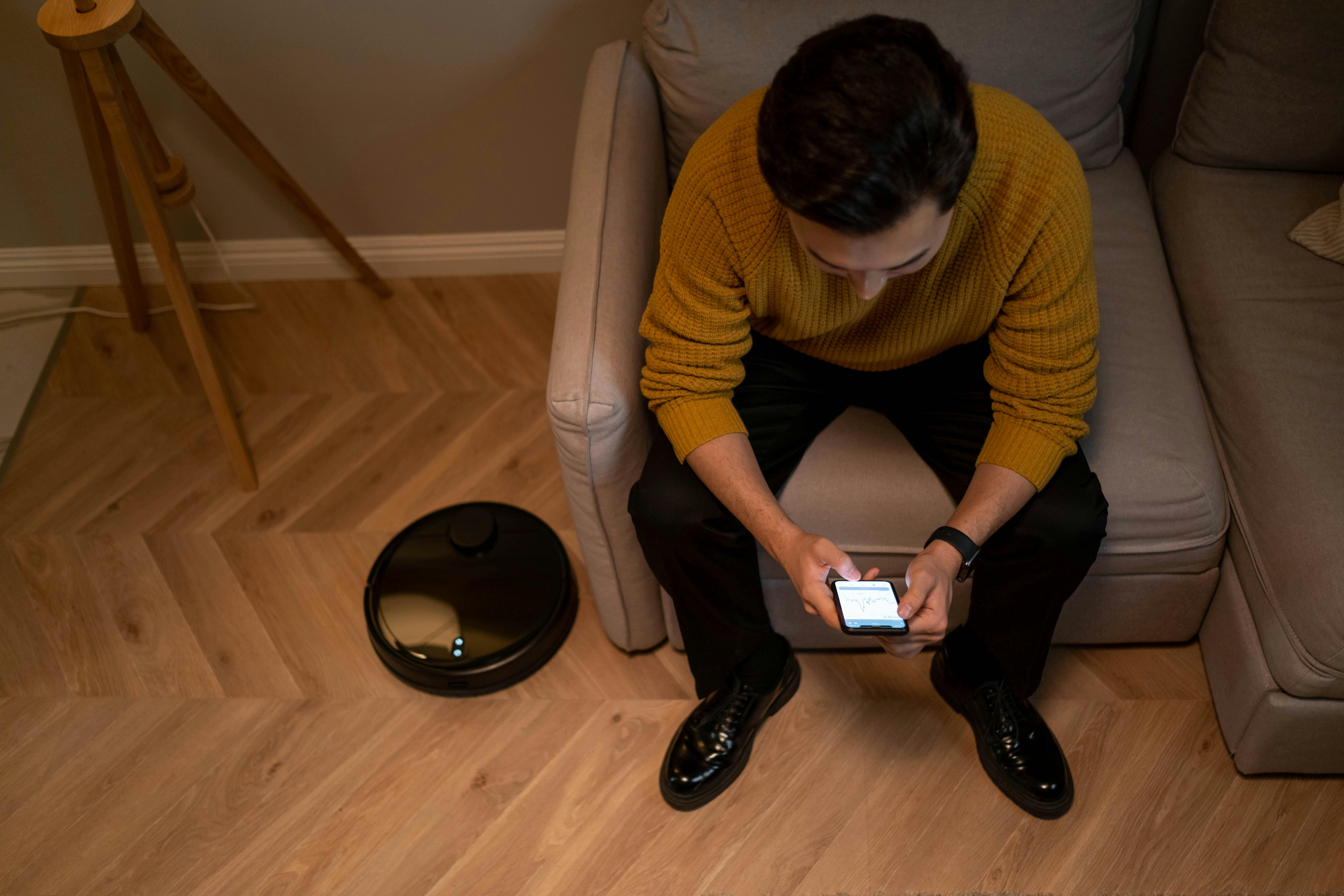
Vacuuming and Mopping
Combination devices are increasingly popular because one machine can handle more than one cleaning task. However, a combined robot is not automatically better. Buyers should check how well it switches between modes and whether the mopping system suits their floor type.
Docking Stations
Premium robots can use larger docking stations for charging, dust collection and other maintenance tasks. This reduces the amount of daily attention required from the owner.
The trade-off is size. A large dock needs a permanent place in the home, so measure the available area before buying.
AI and Cleaning Decisions
AI can help a robot interpret sensor information and improve decisions about navigation. In practical terms, that can mean better object avoidance or more efficient routes. The best systems are the ones where the intelligence produces a visible improvement rather than simply adding another marketing label.
Smartphone Apps
A good app makes a robot easier to use. Useful features include room selection, schedules, no-go zones, cleaning history and notifications. A poor app can make an otherwise good robot frustrating.
Battery Life
Large homes need enough battery capacity to complete a cleaning cycle. Many robots can return to their dock and resume later, which makes battery capacity less critical than it once was.
Maintenance
Robot vacuums still need human maintenance. Brushes collect hair, filters need cleaning and sensors can become dirty. A model that is easy to maintain can be better than a more powerful device that is difficult to service.
Who Should Buy a Robot Vacuum?
Robot vacuums are particularly useful for people who want frequent light cleaning without spending time doing it manually. Homes with pets can also benefit from regular automated cleaning, although performance varies by model and floor type.
Who Should Skip One?
If your home has many stairs, very uneven floors or clutter that constantly blocks the robot, a traditional vacuum may remain more practical. A robot is a convenience tool, not a complete replacement for every type of cleaning.
What to Look for in 2026
- Reliable mapping and navigation
- Good obstacle avoidance
- Strong cleaning performance for your floor type
- Easy brush and filter maintenance
- A useful smartphone app
- Good battery management
- Repair and replacement-part availability
- Privacy controls for camera-equipped models
Frequently Asked Questions
Are robot vacuums worth it in 2026?
They can be worth it if automated daily or scheduled cleaning saves you meaningful time.
Do AI robot vacuums clean better?
AI can improve navigation and object recognition, but actual cleaning performance still depends on the hardware and floor conditions.
Do robot vacuums need Wi-Fi?
Some basic functions can work without continuous internet access, but advanced app features often require connectivity.
Are robot vacuums good for pet hair?
Many are useful for regular pet-hair maintenance, but buyers should check brush design and real-world reviews for their specific flooring.
How to Choose the Right Robot Vacuum
Choosing among robot vacuums in 2026 is easier when you start with the floor plan of your home. A small apartment with mostly hard floors has different needs from a larger house with carpets, pets and several rooms. Navigation quality can matter more than headline suction because a robot that cannot reach the right areas will not deliver consistent results.
Homes with pets should pay close attention to brush design, hair management and how easy the dust bin is to empty. If you have long hair or several pets, a self-cleaning brush and accessible replacement parts can save frustration over time. Buyers should also check whether filters and brushes are readily available rather than assuming every model will have support for years.
Privacy and Camera-Based Navigation
Some advanced robot vacuums use cameras or other sensors to understand their surroundings. That can improve obstacle recognition, but it also makes privacy worth considering. Review what data the device collects, where processing happens and whether images or maps are uploaded to a cloud service.
Camera-free navigation can be perfectly adequate for some homes, while camera-based systems may be useful when avoiding small objects is a priority. The right choice depends on your home and comfort level rather than a simple claim that one technology is always better.
If you are comparing smart cleaning products, our BISSELL CleanView Compact Turbo review is useful as a conventional-vacuum alternative. Readers interested in the wider direction of connected homes can also see our AI smart home guide.
Questions to Ask Before Buying
- Does the robot map my home reliably?
- Can it avoid cables, furniture and small objects?
- How much maintenance will the brushes and filters require?
- Does the app offer room selection and no-go zones?
- Are replacement parts easy to find?
- Do I want a camera-equipped model?
It is also worth considering the docking station. A large self-maintenance dock can reduce daily work, but it needs a permanent location. Measure the available space and make sure the robot can reach the dock without obstacles.
Robot Vacuum Features That Matter Most
Mapping deserves special attention because it affects almost everything else. A robot that creates accurate room maps can clean in a predictable pattern, avoid repeated passes and let you schedule individual rooms. If mapping is unreliable, even strong hardware can feel inconvenient.
Obstacle avoidance is equally important in busy homes. Cables, shoes, toys and furniture can interrupt cleaning. Better object recognition reduces these interruptions, but no robot is completely hands-off. A quick tidy-up before a cleaning cycle can still improve results.
For buyers with mostly carpets, brush design and suction performance may matter more than advanced mopping features. Homes with hard floors may benefit more from a good mopping system. Match the feature set to your flooring instead of paying for functions you will rarely use.
When Premium Features Are Worth Paying For
The most useful premium features are the ones that reduce work after the robot starts cleaning. A better map can prevent repeated passes and missed rooms. Strong obstacle recognition can reduce interruptions. A self-emptying or self-maintaining dock can make frequent cleaning much easier. These benefits are more meaningful than a long specification sheet because they change how often you need to interact with the machine.
That does not mean every premium robot is a better purchase. If your home is small and mostly open, a simpler model may already cover the important jobs. Likewise, if you manually clear the floor before every run, paying a large premium for advanced object recognition may not make sense. Match the technology to the problem you actually have.
Floor Type Should Drive the Decision
Hard floors, carpets and mixed flooring place different demands on a robot vacuum. On hard floors, navigation, edge cleaning and mopping quality may be especially useful. On carpet, brush design and sustained cleaning performance deserve more attention. Homes with rugs should also check how the robot handles transitions and whether the mop can avoid areas that should stay dry.
Pet owners have another layer to consider. Hair can wrap around brushes and reduce performance over time, so easy cleaning and inexpensive replacement parts matter. A robot that is slightly less powerful but easy to maintain can remain more useful over several years than a model that is difficult to service.
App Quality and Reliability
The smartphone app is effectively part of the product. Useful controls should be easy to find, and basic cleaning should not become difficult because a cloud service is temporarily unavailable. Check whether schedules, room selection and no-go zones remain available when the internet connection is poor. Reliability is particularly important for a device that is supposed to save time rather than create another task.
Before You Spend More on AI
AI is most valuable when it improves a measurable part of cleaning. Better obstacle recognition, more accurate maps and sensible route planning can all be useful. But a vague promise of AI-powered cleaning is not enough to justify a higher price. Look for demonstrations, independent testing and clear explanations of what the software actually does.
The same principle applies to privacy. If cameras or detailed maps are involved, read the manufacturer’s data policy and check what can be disabled. Convenience should not require giving up more information than you are comfortable sharing.
Final Verdict
Robot vacuum technology is becoming more mature. The biggest improvements are happening in navigation, obstacle recognition, automation and maintenance rather than simply increasing suction numbers. If you want a cleaner home with less daily effort, a well-designed robot can be a practical smart-home upgrade.

