
AI Smart Glasses 2026: Features, Benefits, and Real-World Use Explained

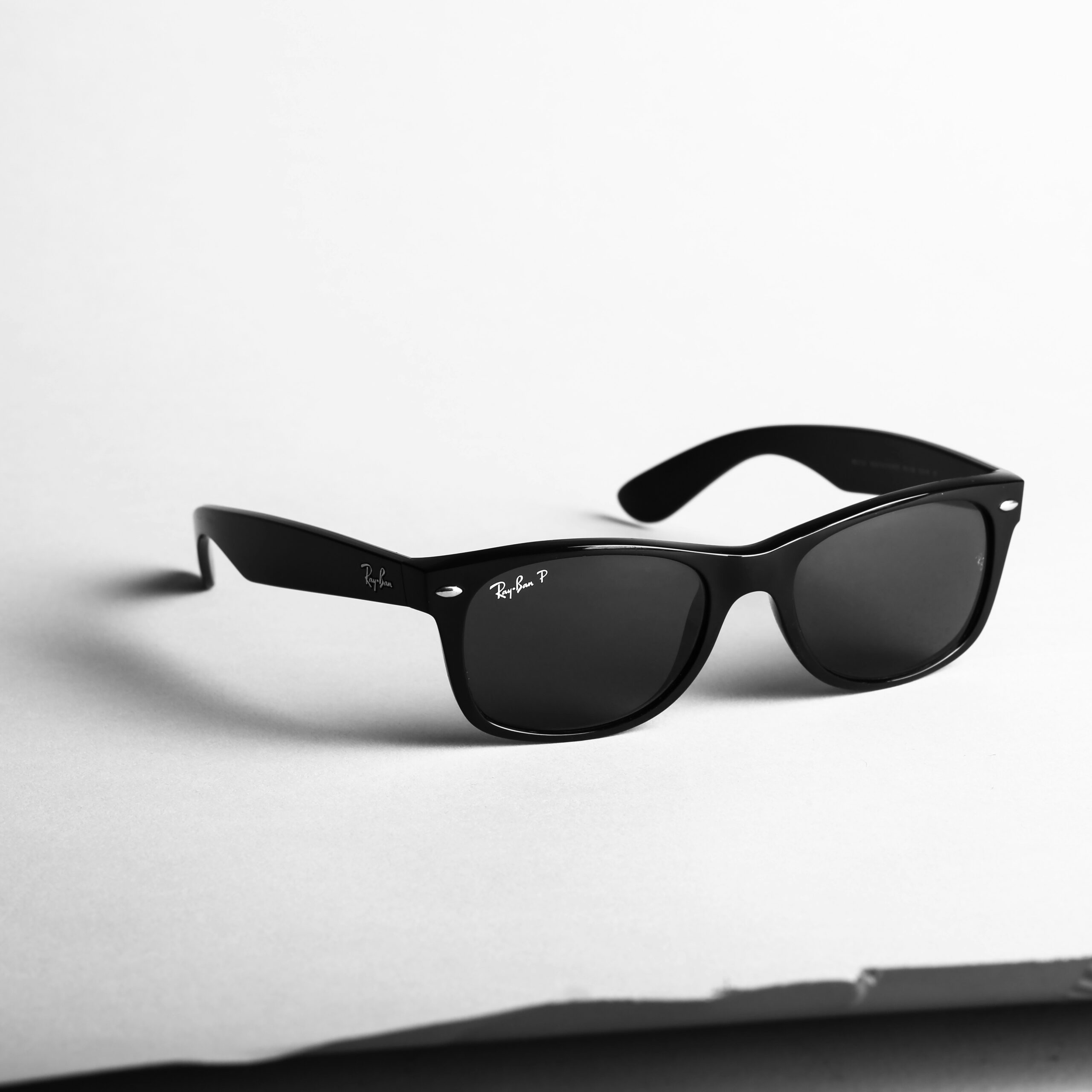
Are 2026 AI Smart Glasses finally fit for daily use?
Smart glasses have been close to ready for decades. But in 2026, things seem otherwise. AI smart glasses are going from tech shows to actual everyday gadgets as artificial intelligence, light design, and improved battery life advance.
Companies such Apple, Meta, and Google are making significant wearable artificial intelligence investments. The emphasis now is simple: glasses that seem normal that quietly help you all day rather than cumbersome headphones.
Thus, are artificial intelligence smart glasses actually valuable at present? Let’s go over it in a straightforward, sensible manner.
Artificial intelligence Smart Glasses are what?
Wearable gadgets that resemble standard eyeglasses but include integrated technologies like cameras, microphones, speakers, and AI-powered assistants are known as artificial intelligence smart glasses.
Unlike virtual reality headsets, these glasses are not meant to exclude the outside. They are meant to improve it. Imagine them as tiny virtual assistants on your face.
Most modern models provide:
- voice-controlled artificial intelligence assistant
- hands-free capture of photos and movies
- Translation in real time
- Notifications your phone sends
- Built-in speakers provide audio playback.
The fundamental distinction in 2026 is their underlying intellect. AI systems can now swiftly handle voice commands and are sophisticated enough to grasp context.
Real-Life Operation of Artificial Intelligence Smart Glasses
Using artificial intelligence smart glasses feels rather natural.
You wear them like regular sunglasses. They pair with your smartphone via Bluetooth or Wi-Fi once set. From that point, you mainly engage via voice instructions.
Consider this:
- Walking, you request instructions.
- Traveling, you want a quick translation.
- You grab a photo without grabbing your phone.
- You have your artificial intelligence helper to distill a message.
Some designs include little internal lens screens displaying brief messages like navigation arrows or notifications. Some depend only on audio feedback via open-ear speakers.
Daily use finds them feeling more like a discreet extension of your phone than like a gizmo.
2026’s biggest gain will be battery efficiency. Earlier iterations battled to endure half a day. Generally speaking, newer iterations may run six to ten hours depending on use.
Important Aspects of AI Smart Glasses
Installed AI Assistant
This is essentially the main characteristic. You just talk instead of tapping your phone. The assistant gives real-time information, sets reminders, answers queries, and sends communications.
Context awareness is the variance from earlier voice assistants. The glasses may identify a thing using the camera if you inquire, “What building is that?”
Translation in real-time
One of the most useful qualities is this. The glasses can convert a foreign tongue and either speak it or show text inside the lens.
This is a game-changer for businesspeople as well as tourists.
Hands-Free Photography
Most artificial intelligence smart glasses include a little front-facing camera. You can film short videos or photographs without carrying a device. This qualifies them for:
- Traveling events
- Cycling or hiking
- Live streaming
- Creation of material
Usually included to indicate when recording is active are privacy indicators like little LED lights.
Audio Using Open-Ear Speakers
Smart glasses have directional speakers rather than covering your ears like headphones. While still mindful of your surroundings, you can clearly hear music.
Particularly helpful here is hiking in cities or going to work.
Design Inspired by Fashion, Light
Smart glasses from earlier appeared like technological prototypes. The 2026 iterations put great emphasis on flair. Frames usually look like expensive sunglasses or prescription glasses and come in a variety of materials and forms.
Comfort is of utmost importance. Most weigh between 40 and 60 grammes, comparable to conventional eyeglasses.
Advantages of Artificial Intelligence Smart Glasses
The primary advantage is ease.
Every few minutes you don’t need to grab your phone. Less distracting and more easily available becomes knowledge.
Hands-free capability is yet another major advantage. Whether you’re driving, cooking, exercising, or travelling, you can interact with technology without having to cease what you are doing.
Additionally, there is a productivity edge. In daily activities, quick summaries, immediate answers, and live translations lower resistance.
The first-person camera offers authors fresh narrative options. Naturally capturing moments rather than artificially staging them.
At last, accessibility gets better. Voice-first engagement can simplify technology for those with particular mobility or vision impairments.
Benefits and Drawbacks
Benefits
- AI clever glasses lessen phone reliance. They speeds up and simplifies daily activities. The hands-free experience modern and effective. Translation characteristics are useful rather than merely amazing. Design changes make them seem to be really wearable outside.
- They also promote more present conversations. Rather than gazing downward at a screen, you may keep your head straight.
Drawbacks
- Though better, battery life still calls for daily charging. Particularly in public areas, privacy issues persist. Not everyone finds wearable cameras palatable.
- Another negative aspect is cost. Premium models are costly, especially if you get prescription lenses.
- There is also a learning curve. Voice-based communication requires some adaptation, particularly in loud settings.
Who Should Use AI Smart Glasses?
AI smart glasses would be perfect for:
- Those who regularly travel
- Content writers
- Technical afficionados
- Expert multi-taskers
- Early adopters of new devices
For someone who only sometimes uses their phone or favors traditional devices, these may not be required.
They make sense if you place importance on efficiency and simplicity. They could seem superfluous if you rarely utilize voice assistants or are really concerned about your privacy.
Things to keep in mind before purchasing or employing
First, make sure the compatibility is there. Most AI smart glasses need updated operating systems and a somewhat current phone.
Second, think about battery usage. This adds one more thing to control if you already find it difficult to charge your devices every day.
Third, appreciate storage constraints. Many designs depend mostly on cloud syncing instead of big onboard storage.
Fourth, pay attention to how others see you. In some settings, wearing camera-enabled spectacles could attract notice.
Prescription support at last counts. Confirm that the brand backs custom lenses if you need eye correction.
Information on Safety and Privacy
Among the most often discussed subjects with respect to AI smart glasses is privacy.
Visible recording indicators on most respectable brands let others know the camera is on. Certain areas also have tough laws about recording in public areas.
Datawise, voice commands and shot images might be analyzed by cloud servers. Review the privacy policies of the firm and know how your information is kept.
Up-to-date security is a must. Regular software upgrades are needed for smart glasses, like with any connected device, to guard against flaws.
Users should also honor social constraints. Courtesy counts even if recording is formally permitted.
Ultimately
AI smart glasses appear closer to general acceptance in 2026 than they ever have.
Once experimental devices intended only for developers, they now serve other purposes as well. Particularly for those who value hands-free convenience, they are functional instruments meant to make everyday life simpler.
For everyone, nevertheless, they are not necessary. The value rests on your way of living. Create content, travel frequently, or engage in voice-first communication to truly improve your schedule.
If you would rather use little technology and complete privacy, you might want to postpone further improvement.
The actual change goes beyond only the devices. It is the wisdom beneath it. Smart glasses might progressively grow as regular as wireless headphones as artificial intelligence develops.
FAQ 1: Do artificial intelligence smart glasses substitute for phones?
No. Designed to work with cellphones rather than replace them, AI smart glasses. For full operation, they depend on phone connection.
FAQ 2: Public use of AI smart glasses?
Yes, as long as you follow regional laws and respect privacy guidelines. Most designs use recording indicators to improve openness.

