

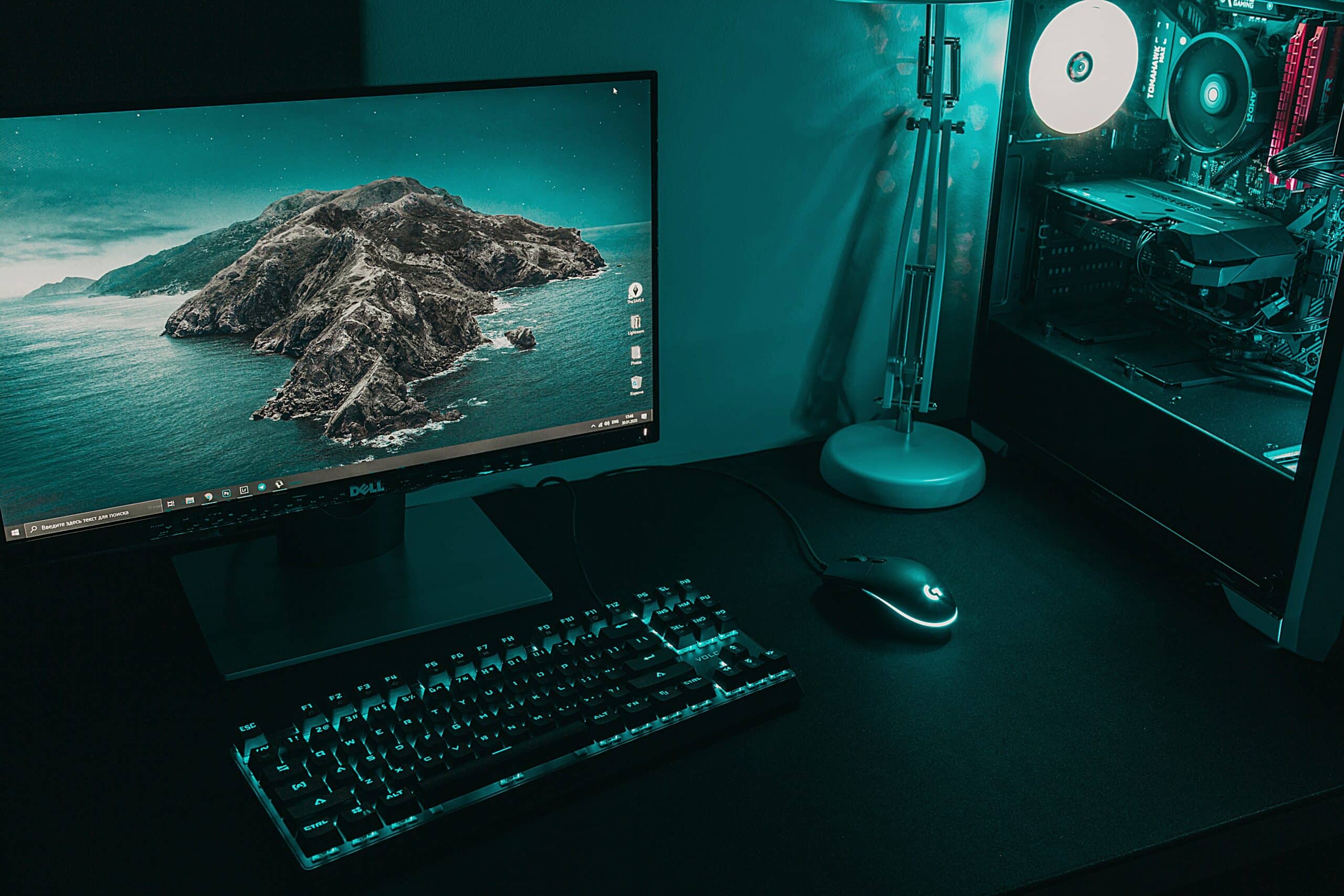
Overview.
You have probably heard buzz about Windows 12 if you have been watching Microsoft’s flagship operating system develop. Windows 11 introduced a modern makeover and new productivity tools; now the tech community is abuzz with expectations for what might follow. Although Microsoft has not officially confirmed every detail, there is sufficient trustworthy insight and industry buzz to start assembling what the next version of Windows might look like and why it is important to daily consumers.
This post will explore what Windows 12 most likely will be, how it might operate in everyday life, the features that are being discussed, and what you should bear in mind before thinking about an update. Here the aim is to present you with a precise, grounded perspective of what’s on the horizon using the most trustworthy information now accessible, not excitement.
Windows 12: what it is?
Many think will be Microsoft’s following big release of its Windows operating system, Windows 12 is the expected name for it. Under the hood, it seems like the aim goes above and beyond small changes. Rather, the emphasis is on more complex artificial intelligence integration, updated user interface features, and performance enhancements mirroring current human computer utilization.
Microsoft has used a letter-and-number naming scheme for decades, and though it has not confirmed “Windows 12” is official, leaks and trustworthy industry source reports point to a major new release under development using that working title. Many experts anticipate the new system’s unveiling late 2025 or early 2026 based on usual release cycles and timing around Windows 10 end-of-support.
Windows 12 is anticipated since our usage of computers is changing. Once completed by hand, chores are now anticipated to be more intuitive and supportive. This upcoming iteration might transform the fundamental Windows experience from creative work to gaming and AI-assisted processes.
How Windows 12 Might Function in Daily Life
Imagine switching on your computer to have it not just boot up but also start optimizing itself depending on your schedule, device capacity, and preferred activities. For Windows 12, that’s the general direction expectations indicate toward.
Unlike earlier releases when you would handle most settings by hand, Windows 12 is anticipated to rely somewhat on smart recommendations and adaptive behavior fueled by artificial intelligence. It might, for instance:
- Automatically advise productivity layouts depending on your most recent activity.
- With situational suggestions, surface pertinent files and apps faster.
- Help fresh users get started fast without having to wade through settings.
Though they derive from leaks and gossip, these concepts fit into a bigger sector trend of employing machine learning and on-device intelligence to make operating systems more responsive and personal.
From a user’s point of view, the interaction might seem more natural than typical Windows updates. The system could act more like an aide that learns from your preferences and changes accordingly rather than just providing a fresh appearance or individual features.
Important Features We Could Recognize
Let’s distinguish the most frequently stated possibilities from wishful thinking because there is much conjecture about what Windows 12 might bring.
A more intelligent, more integrated interface
One of the main issues being discussed right now is a reimagined interface with more intense artificial intelligence interaction. Early reports indicate Microsoft could incorporate Copilot more deeply into the operating system itself to make it a more important component of search, navigation, and task automation.
With modifications including: the user interface could develop outside of our present awareness in Windows 11.
- More use of artificial intelligence to propose context-based applications and setups.
- Real-time information and customization will help create a more dynamic Start Menu and Taskbar.
- Interface components or a floating taskbar that change with your workflow.
Making the system feel more contemporary and lowering the demand for hand adjustments are meant to come from these interface improvements.
Automation and Artificial Intelligence Driven Technologies
Artificial intelligence is at the center of the Windows 12 dialogue. Reports and conjecture indicate the OS may contain built-in artificial intelligence capabilities beyond the Windows 11 Copilot experience to aid with:
- Search in natural language and file retrieval.
- Wise automation of common activities.
- Contextual suggestions grounded on patterns of usage.
Though Microsoft’s own statements remain sparse, experts in the field believe artificial intelligence will be a main pillar rather than an accessory function.
Enhanced Performance and Efficiency
Along with more clever capabilities, Windows 12 is expected to have performance improvements, mostly on more recent devices. That covers improved resource management and memory, maybe making daily activities appear easier and more reactive.
Some conjectured changes center on update distribution, possibly using more modular techniques like those found on mobile platforms for effortless updates.
Auth entification and Security
Big operating system releases always revolve on security. Suggested enhancements include better encryption capabilities, stronger multi-factor authentication baked right into the system, and more powerful biometric choices.
These improvements are intended to simplify for users to embrace security without extensive technical understanding, as well as to safeguard data.
Advantages of Employing Windows 12
Windows 12 might provide significant advantages for both professionals and regular users if the rumors and expectations come true.
An More Smart Workplace
Windows 12’s most thrilling potential is a more intelligent, adaptive user experience. You could spend that time working productively with your projects, material, and creative initiatives instead of fiddling with configurations.
Faster App and File Access
Finding what you need could become more natural with quicker context searches and better AI recommendations. Whether you’re switching between programs, arranging images, or working on a presentation, that matters.
Improved support for new hardware
Better use of modern CPUs, GPUs, and specialized neural processing units (NPUs) is among the expectations for Windows 12. Particularly on new devices made for AI tasks, this implies the operating system might feel quicker and more economical.
By default improved security
Stronger and more user-friendly authentication methods as well as internal security measures can minimize friction without jeopardizing your system or data. The update is probably going to include changes such better biometric support and multi-factor authentication.
Advantages and Disadvantages
Benefits
Smarter and contemporary interface
Interacting with your PC could feel more natural and efficient if Windows 12 provides a highly AI-integrated experience.
Enhanced Task Automation and Increased Productivity
Faster task completion, automated handling of daily activities, and less hand labor are made possible by artificial intelligence tools.
Possible Performance Boosts on Next Hardware
Optimizations for contemporary CPUs might produce substantially higher performance than older computers.
More Powerful Security
Better security and authentication capabilities might assist to shield against current threats without users’ additional work.
Weaknesses
Around Doubt Features and Releasing
Microsoft hasn’t officially verified Windows 12’s existence, release date, or specific capabilities; therefore, guesses and leaks still drive expectations.
Hardware Requirements Could Be More
Deeper artificial intelligence integration might cause Windows 12 to need more capable hardware than Windows 11, therefore restricting access for older computers.
Learning Curve for New Tools
Though they are wonderful, more intelligent solutions also call for user learning time to make total benefit of them.
Windows 12 is for whom?
You can start considering whether Windows 12 makes sense for you right now, in the early stages:
- Creatives and power users: AI improvements could be most beneficial for those who extensively use computers for content creation, work, or multitasking.
- Organizations seeking better security measures and efficiency benefits might find use in a contemporary OS upgrade.
- Windows 12 might provide quicker load times and smoother gameplay if performance enhancements and game optimizations come.
- Everyday Customers: Though the greatest advantages will most likely manifest on newer devices, even regular users will appreciate simpler interaction and more intelligent suggestions.
Items to Consider Before Release
Here are a few useful tips to bear in mind given that a lot of our knowledge comes from leaks and informed hypothesis:
- There is no formal release date still: Although Microsoft has not yet announced when Windows 12 will become available, most people anticipate it to be late 2025 or early 2026 based on present knowledge.
- Rumors Might Change: Changes in features mentioned in leaks are possible as development advances.
- Upgrade Needs Could Be Higher: Particularly for AI-driven components, your current gadget might not enable every functionality without updated hardware.
- Microsoft has not declared end-of-support for Windows 11, therefore you won’t have to upgrade right away when Windows 12 becomes available.
Information on Safety and Privacy
Recent Windows upgrades have revolved on security, and Windows 12 is set to see that pattern. Built-in biometric support and more strong authentication alternatives are among purportedly improvements.
Also significant will be data protection concerns should artificial intelligence components be thoroughly integrated. Features that analyze user behavior or context should provide apparent control over data collecting and sharing options, as with any intelligent system. Before extensively activating AI-dependent functions, you should go over privacy controls in early releases or previews.
Final Decision
The most ambitious development of Microsoft’s operating system in years, Windows 12 promises. The possibility is obvious: a smarter, faster, more individualized computer experience whether it is the deep AI integration, changed user interface components, or upgraded performance tools.
Having said that, nothing is definite until Microsoft issues formal announcements. Our discussion here incorporates trustworthy observations from industry observers, leaks, and trends in Microsoft’s development cycle. For people thinking about the future, knowing hardware compatibility and emerging previews will allow you to be prepared for the release of the new operating system.
Windows 12 might fundamentally change our engagement with computers, but the real test will be when Microsoft unveils the last product.
FAQ 1: Microsoft formally corroborates Windows 12?
Microsoft has not yet made public any release date or extensive capabilities for Windows 12. Industry conjecture and leaks provide most of the knowledge available right now.
FAQ 2: When might Windows 12 become available?
Though this has not been officially confirmed, Windows 12 is expected to come around late 2025 or early 2026 based on present industry expectations.



It seems like Microsoft is setting the stage for an OS that’s smarter, more intuitive, and better suited to the daily consumer. But, I do wonder how quickly users will adapt to all these new features.